Wondering what it’s really like to live in Temecula Wine Country when you are not on a weekend getaway? That is a fair question, especially if you are thinking about buying a home in the area or moving within Southwest Riverside County. Everyday life here blends scenic surroundings, suburban convenience, and a strong local identity, and understanding that mix can help you decide if it fits your lifestyle. Let’s dive in.
What Temecula Wine Country Really Means
Temecula Valley Wine Country is more than a postcard setting. It spans more than 33,000 acres, making it the largest viticultural area in Southern California, with nearly 50 wineries in the region. The area was first planted in 1968, and today it remains one of the defining features of life in and around Temecula.
It is also worth knowing that “Temecula Wine Country” does not always mean a property is inside Temecula city limits. According to the city’s addressing guidance, Wine Country, De Luz, Morgan Hill, and other nearby areas may be outside city boundaries even if they carry a Temecula identity. If you are buying or selling, that distinction can matter when comparing locations, services, and property setting.
The Setting Shapes Daily Life
One of the biggest draws is the landscape itself. Temecula Valley Wine Country sits in a roughly 32-square-mile valley with elevations ranging from about 1,175 to 2,600 feet, giving the area its rolling topography and wide-open feel. The city and tourism sources also point to ocean breezes and a distinct microclimate that help define the region.
For everyday living, that often translates into warm, dry summers, cool winters, morning mist, sunny afternoons, breezes later in the day, and cooler nights. If you enjoy a setting that feels scenic but still connected to daily essentials, that balance is part of the appeal. The environment does not just look beautiful, it influences how the area feels from morning to evening.
A Lifestyle That Balances Scenic and Suburban
Living in Temecula Wine Country is not the same as living in a dense, walkable urban center. The area functions much more like a suburban market with a strong lifestyle identity. You get vineyard views, open skies, and access to local dining and entertainment, but much of daily life still revolves around driving.
That practical rhythm matters. A typical weekday may include commuting, school or activity drop-offs, grocery runs, and errands by car, while evenings and weekends can shift into a more relaxed local routine. Many residents use Old Town Temecula or nearby wine-country destinations for meals, outings, and social time.
Old Town Adds a Walkable Hub
Why Old Town Matters
Old Town Temecula gives the city a different energy from the surrounding suburban neighborhoods. The city describes it as a pedestrian-friendly downtown with historic buildings, antique dealers, unique shopping, restaurants, and a regular Saturday farmers’ market. It also includes local cultural spots like the Temecula Valley Museum and the Old Town Temecula Community Theater.
For everyday life, Old Town serves as a social center more than a full substitute for suburban convenience. It is the place you might head for a casual evening out, a local event, or a weekend stroll. That mix of history, activity, and walkability adds dimension to living in the broader Temecula area.
A Contrast to the Rest of the City
Old Town feels different from many other parts of Temecula because it developed as the historic core. The city also notes that Uptown Temecula, just north of Old Town, is planned as a more walkable and mixed-use redevelopment area. That means the city’s central areas are gradually evolving, even though Temecula as a whole remains predominantly suburban.
If you are relocating from a denser city, this distinction is helpful. You may find pockets of walkability and gathering places, but most of your routine will still be shaped by neighborhood living and car-based mobility.
Neighborhoods Offer Different Everyday Experiences
Temecula is not built around one single neighborhood style. The city lists 14 specific plan areas, including Old Town, Uptown Temecula, Temecula Regional Center, Paloma Del Sol, Redhawk, Vail Ranch, Roripaugh Ranch, Wolf Creek, Harveston, Rancho Highlands, Margarita Village, Campos Verdes, and Altair. Each area contributes to a broader patchwork of living options.
That structure gives buyers and sellers a more nuanced market than they may expect at first glance. Some areas feel more established, some are tied to newer planned development, and some connect more directly to the Wine Country identity. Understanding those differences is key when you are matching a home search to your routine, commute, and long-term goals.
Planned Communities and Everyday Convenience
Newer planned neighborhoods often reflect the suburban side of Temecula living. For example, the city describes Harveston as a newer community centered around a man-made lake with Cape Cod-inspired home styles and a park that includes sports fields, a pavilion, and an amphitheater. That kind of design speaks to the city’s broader neighborhood pattern.
If your day-to-day priorities include space, neighborhood amenities, and a more structured community layout, these areas may feel familiar and practical. They can offer a different living experience from homes that lean more heavily into rural or semi-rural Wine Country surroundings.
Housing in Temecula Stays Largely Suburban
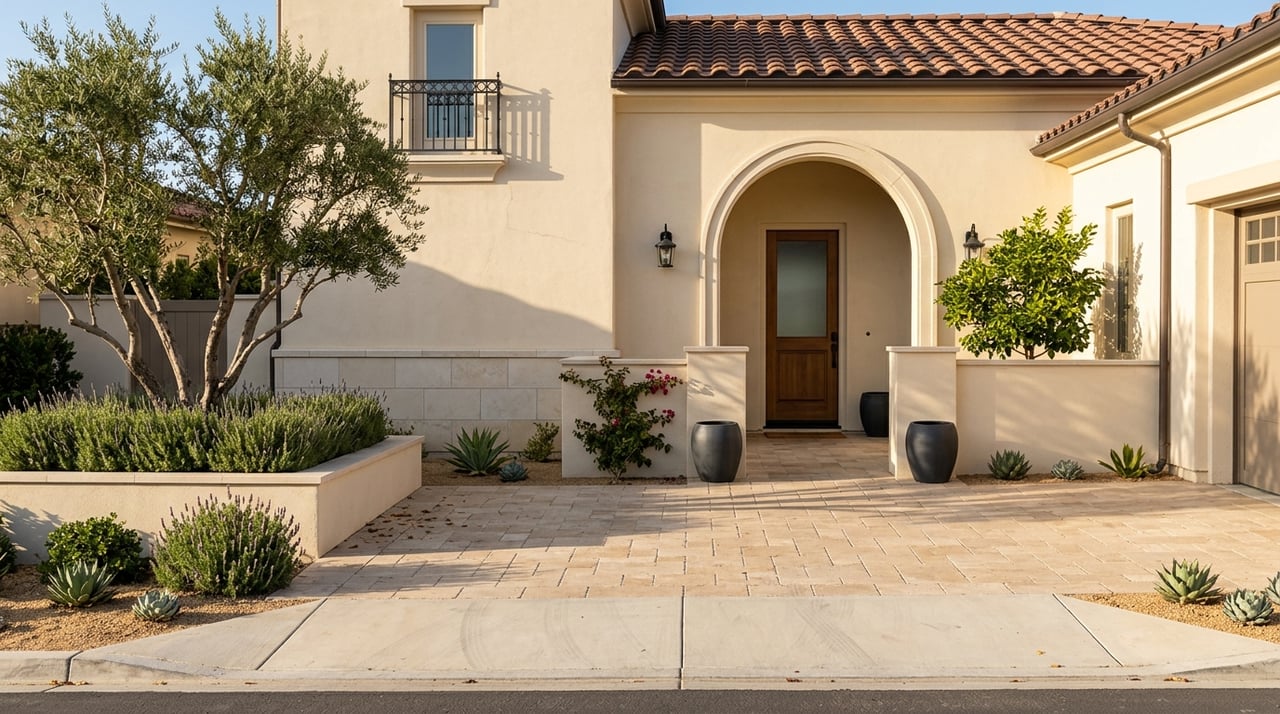
Temecula’s housing stock is still dominated by single-family detached homes. City housing materials show that about 78.5% of homes are detached single-family, compared with 3.6% attached single-family, 17.5% multifamily, and 0.4% mobile homes. In simple terms, the market is still centered on traditional suburban housing.
That housing mix helps explain the feel of everyday life here. You are more likely to find residential patterns built around neighborhoods, driveways, and private outdoor space than a dense collection of mid-rise buildings or compact urban blocks. For many buyers, that is a major part of Temecula’s appeal.
Census QuickFacts also reports a 68.0% owner-occupied rate, a median owner-occupied home value of $679,700, and median gross rent of $2,347. Those figures point to a market with a strong homeownership base and a meaningful cost threshold for both buyers and renters. If you are planning a move, it helps to think carefully about both lifestyle fit and budget fit.
Shopping, Dining, and Errands Are Easy to Reach
Temecula offers a convenience-oriented retail layout that supports everyday living well. The city highlights boutique retail, neighborhood centers, and larger shopping destinations throughout the area. That includes The Promenade Temecula, a 1.2-million-square-foot super-regional mall with more than 140 stores, along with centers such as Temecula Town Center and Redhawk Towne Center.
This matters because daily life often comes down to access and ease. Even though Temecula is not built like a compact city, it does provide a strong suburban network for errands, shopping, and dining. For many residents, that means you can enjoy a scenic home base without giving up practical convenience.
Commuting Is Part of the Lifestyle
For many households, commuting is one of the most important parts of everyday living in Temecula Wine Country. Census QuickFacts reports a mean travel time to work of 36.3 minutes, and the city’s travel-pattern study shows that only 23% of residents both live and work in the city. That means many people regularly travel beyond their immediate neighborhood for work.
The broader pattern is regional. The city reports that 91% of trips to and from Temecula stay within the Western Riverside Council of Governments subregion, and San Diego County is the largest destination outside that region. If you are moving here, it is important to think about your likely drive times and work locations, not just the home itself.
Transportation Is Primarily Car-Based
Temecula remains heavily car-dependent, according to the city’s transportation pages. At the same time, there are some backup options, including Riverside Transit Agency bus service, park-and-ride locations, carpool and vanpool tools, rideshare incentives, and a free Harveston-to-Promenade trolley.
That combination is useful, but it does not change the bigger picture. Temecula functions more like a suburban commuter city than a rail-centered metro environment. If you value flexibility and are comfortable with driving as part of daily life, the area can feel very workable.
Why Buyers and Sellers Pay Attention to Lifestyle Fit
The appeal of Temecula Wine Country is not only about vineyards or views. It is about how those features connect to real daily routines, from commuting and errands to weekends in Old Town and time spent in neighborhood settings. Buyers often do best when they look beyond the label and think about how a property lines up with the life they actually want to live.
For sellers, understanding this lifestyle picture matters too. The right marketing story is not just about square footage or finishes. It is about helping buyers see the blend of scenery, suburban structure, local amenities, and regional access that makes Temecula stand out.
If you are weighing a move in Temecula or anywhere nearby, local context makes a real difference. Working with an agent who understands the area’s neighborhood patterns, commuting realities, and buyer priorities can help you make a more confident decision. If you are ready to talk through your options, connect with Brian Prieboy.
FAQs
What is everyday life like in Temecula Wine Country?
- Everyday life in Temecula Wine Country typically combines suburban living, car-based errands, regional commuting, and access to dining, entertainment, and scenic surroundings.
Is Temecula Wine Country inside Temecula city limits?
- Not always. The city notes that Wine Country and other nearby areas can be outside Temecula city limits even if they are commonly associated with the Temecula name.
Is Temecula a walkable city for daily living?
- Temecula has walkable pockets, especially in Old Town, but most everyday living is suburban and car-dependent.
What types of homes are common in Temecula?
- Detached single-family homes are the most common housing type in Temecula, making up about 78.5% of the city’s housing stock.
How long do people commute from Temecula?
- Census QuickFacts reports a mean travel time to work of 36.3 minutes, which reflects the city’s strong connection to the broader Southwest Riverside and San Diego corridor.
What makes Old Town Temecula important to local lifestyle?
- Old Town serves as a pedestrian-friendly historic core with shopping, restaurants, a farmers’ market, and local cultural venues that add a walkable social hub to the city.
Is Temecula better for buyers who want urban living or suburban living?
- Temecula is generally a better fit for buyers looking for suburban living with lifestyle amenities rather than a dense urban environment.