Looking for a place with real character, not just a row of newer subdivisions? Historic Escondido offers a different kind of North County lifestyle, where vintage homes, a walkable civic core, and everyday conveniences all come together. If you are wondering what it actually feels like to live here, this guide will help you understand the housing, lifestyle, access, and daily rhythm that shape the area. Let’s dive in.
Historic Escondido Has a Distinct Feel
Escondido was founded in 1888 as an agricultural hub on the railroad, and that long history still shows up in the city today. Instead of feeling like a one-street downtown surrounded by little else, Escondido has an older core with major civic amenities and a broader suburban edge.
That mix matters when you live here. You get a historic setting in parts of the city, but you are also in a community with wide-ranging services, shopping, healthcare, and recreation. With an estimated 146,030 residents as of July 1, 2025, Escondido is established, active, and connected to the larger North County San Diego region.
Downtown Escondido Centers Daily Life
Historic Downtown Escondido is focused around Grand Avenue and the nearby blocks. This area is known for vintage buildings, shops, galleries, parks, and restaurants, which gives it more personality than many newer commercial districts.
The city has also invested in making downtown easier and more enjoyable to use. Through the Grand Avenue Vision Project, Escondido has worked to preserve the small-town look and feel while widening sidewalks, adding diagonal parking, calming traffic, and improving the pedestrian experience. Phase I was completed in 2022, and Phase II was completed in June 2025.
If you enjoy being able to walk to dinner, browse small shops, or spend time in a more established streetscape, downtown adds a lot to daily life. Visit Escondido notes that the district includes more than 20 restaurants, along with galleries, museums, and shopping.
Old Escondido Offers Historic Homes
When people talk about historic residential living in Escondido, Old Escondido Historic District is the clearest example. The city says the district was established in 1989 and includes about 900 homes built from the mid-1880s to the present. It is bounded by 4th Avenue, 13th Street, Escondido Boulevard, and Chestnut Street.
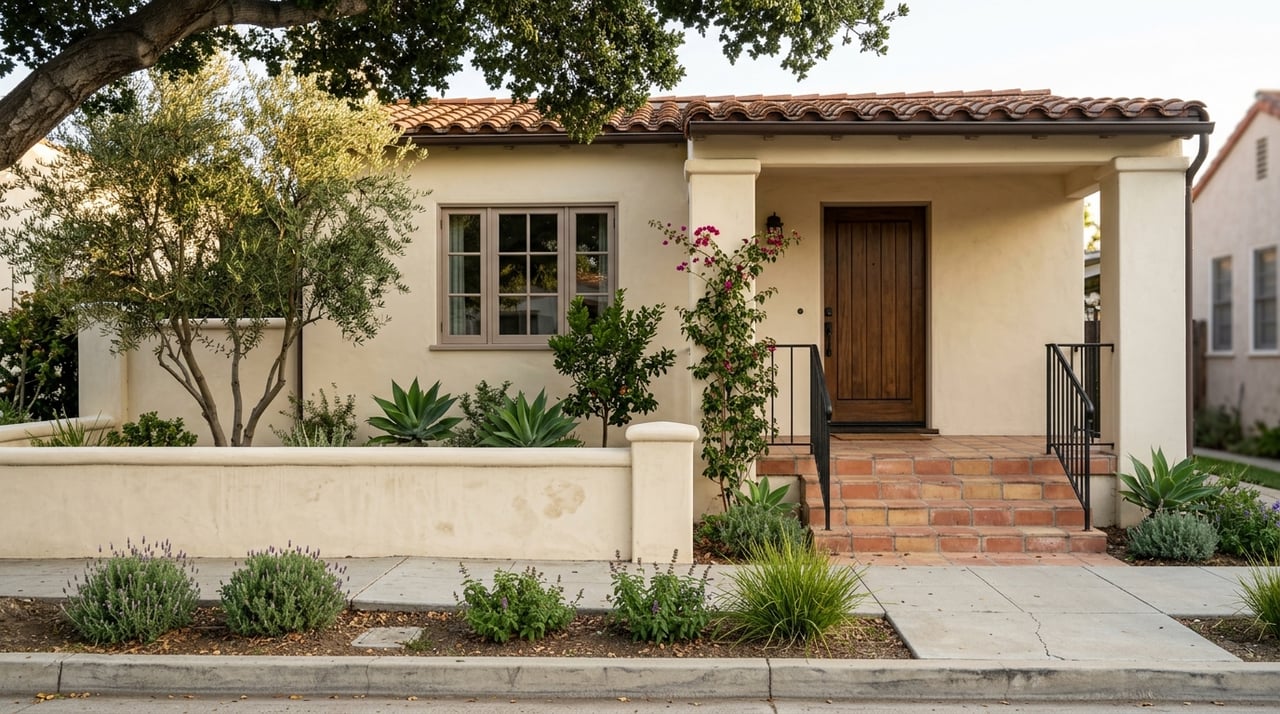
The housing stock is one of the biggest draws. You can find Victorian houses, Craftsman bungalows, Art Deco homes, and postwar properties, which creates a layered streetscape that feels very different from a typical tract neighborhood.
For buyers, that often means more architectural personality and more variation from one block to the next. For homeowners, it can also mean added responsibility. The city notes that exterior changes may require a certificate of appropriateness, so preservation oversight is part of the ownership experience in this area.
Living Here Means Balancing Charm and Rules
Older homes often bring details you may not find in newer construction, like distinctive facades, mature settings, and a stronger sense of history. That can be a major plus if you want a home that feels unique and connected to the city’s past.
At the same time, historic living usually asks for a little more planning. If you are considering updates to a home in the Old Escondido Historic District, it is important to understand that design review may affect certain exterior changes.
That does not make ownership harder for everyone, but it does shape expectations. If you love character and are comfortable with a more thoughtful approach to renovation, Historic Escondido can be a strong fit.
Parks and Culture Add Everyday Value
Historic Escondido is not just about old homes and old buildings. The area also benefits from major cultural and public spaces that support everyday quality of life.
Grape Day Park is one of the strongest examples. The city describes it as Escondido’s oldest park and a registered landmark, with the Escondido History Center’s Heritage Walk, a working barn, the Santa Fe depot, a blacksmith shop, and other historic buildings and monuments.
This helps give the area a real local identity. The park is tied to community events and the city’s agricultural history, so it functions as more than open space. It is part of the story of Escondido itself.
The California Center for the Arts, Escondido adds another layer. The city describes it as a 12-acre complex with a 1,523-seat concert hall, a 406-seat theater, a museum, art and dance studios, and a conference center. That means the historic core is also a major arts and event hub, not just a residential pocket.
Local Traditions Help Shape the Atmosphere
Part of what makes a place feel livable is whether it has recurring experiences that bring people out into the community. Downtown Escondido benefits from public art, walking tours, and events that make the area feel active and connected.
One of the best-known examples is Cruising Grand, which Visit Escondido identifies as one of the city’s signature traditions. Combined with heritage walk stops and public art, these features reinforce the sense that the historic core is meant to be experienced, not just passed through.
If you like places with visible community life, that can be a meaningful part of the appeal. You are not just buying a house. You are choosing a setting with established rhythms and public spaces that invite people out.
Daily Convenience Is Part of the Appeal
A historic district only goes so far if basic convenience is missing. In Escondido, one of the benefits of living near the historic core is that practical needs are close by.
Beyond downtown restaurants and boutiques, the area also has access to larger shopping destinations, including the nearby Westfield North County Mall retail node. Core civic services are close as well, which makes the area functional for more than weekend outings.
The Escondido Public Library has served the city since 1898 and includes the Main Library, the Pioneer Room, and the Literacy Center. Palomar Medical Center Escondido opened in 2012 and serves as a major North County hospital campus with 288 private patient rooms, 44 emergency and trauma rooms, and 11 operating rooms.
That combination of character and convenience is one of Historic Escondido’s strongest selling points. You can enjoy an older setting without giving up access to the services many buyers want nearby.
Outdoor Access Expands the Lifestyle
Even if you are drawn to the historic core, Escondido’s outdoor access still plays a big role in everyday life. The city’s Lakes Division oversees more than 4,500 acres of open space, including Dixon Lake, Lake Wohlford, and the Daley Ranch preserve.
The city also notes support from an urban forest of more than 65,000 trees. In practical terms, that adds another dimension to living here. You can spend time in a more established urban setting and still have meaningful access to trails, lakes, and open space.
For many buyers, that balance is a major advantage. Historic Escondido is not isolated from nature. It sits within a city that offers both civic amenities and substantial outdoor recreation.
Transit and Highways Support Mobility
Escondido’s location is part of the appeal for buyers who want access beyond their immediate neighborhood. Visit Escondido says the city sits about 30 miles northeast of downtown San Diego and roughly 20 minutes from the coast.
City transportation materials identify Interstate 15 and State Route 78 as the two major highways through the city. That makes it easier to move around North County and connect to other parts of the region.
Transit is also relevant here, especially near the historic core. The East Valley Specific Plan identifies the Escondido Transit Center as a regional transit hub and the eastern terminus of the SPRINTER light rail line, with BREEZE bus connections serving downtown and nearby destinations. City project pages also show bike and pedestrian links connecting the transit center, the creek trail, and the urban core.
If you value mobility, this is an important part of the lifestyle picture. Historic Escondido offers neighborhood character, but it also supports regional access.
The Surrounding Areas Add Flexibility
Historic Escondido does not exist as a standalone pocket cut off from the rest of the city. The surrounding East Valley area sits immediately adjacent to downtown, with residential neighborhoods to the north and south and commercial shopping centers to the east.
According to the city’s East Valley Specific Plan, the area is intended to support new housing opportunities and a more cohesive land-use pattern. That tells you something important about the broader setting. Historic Escondido is part of an evolving urban fabric, not a frozen-in-time district.
For buyers, that can create more options. You may be able to stay close to downtown character and amenities while considering a range of nearby residential settings.
Who Historic Escondido Fits Best
Historic Escondido tends to appeal to buyers who want older-home architecture, a walkable civic center, and access to arts, shopping, healthcare, transit, and outdoor recreation. It can be especially attractive if you appreciate neighborhoods with visible history and more variety in home design.
It may also be a strong match if you want to stay within North County San Diego while living in a place that feels grounded and established. Compared with areas built more recently, Historic Escondido offers a different experience that leans more on character, culture, and civic infrastructure.
The best fit often comes down to your priorities. If you want uniformity and brand-new construction, this may not be your first choice. If you want personality, convenience, and a sense of place, it is easy to see why buyers are drawn to it.
If you are thinking about buying or selling in Escondido and want clear, honest guidance on which areas best match your goals, Brian Prieboy can help you navigate the process with local insight and a smooth, client-first approach.
FAQs
What is the historic residential area in Escondido?
- The city identifies the Old Escondido Historic District as the main historic residential area, with about 900 homes bounded by 4th Avenue, 13th Street, Escondido Boulevard, and Chestnut Street.
What types of homes are in Old Escondido?
- The district includes Victorian houses, Craftsman bungalows, Art Deco homes, and postwar homes, with properties dating from the mid-1880s to the present.
What is downtown Escondido like for daily life?
- Downtown Escondido centers on Grand Avenue and nearby blocks, with vintage buildings, more than 20 restaurants, shops, galleries, museums, and parks that support a walkable daily experience.
Are there rules for updating homes in Old Escondido?
- Yes. The city says exterior changes in the Old Escondido Historic District may require a certificate of appropriateness.
What amenities are near Historic Escondido?
- Nearby amenities include Grape Day Park, the California Center for the Arts, Escondido, the Escondido Public Library, Palomar Medical Center Escondido, shopping, dining, transit connections, and access to open space.
Is Historic Escondido well connected to the rest of the region?
- Yes. Escondido is served by Interstate 15 and State Route 78, and the Escondido Transit Center connects the area to the SPRINTER line, BREEZE bus service, and bike and pedestrian links.